What to Wear for a Professional Headshot in Hong Kong
You do not always need a suit for a professional headshot. Start with whether the portrait is for LinkedIn, a CV, company bio, speaker profile or personal brand. Choose clothing that is well-fitting, tidy and keeps attention on your face, rather than wearing something unfamiliar simply because it feels more formal.
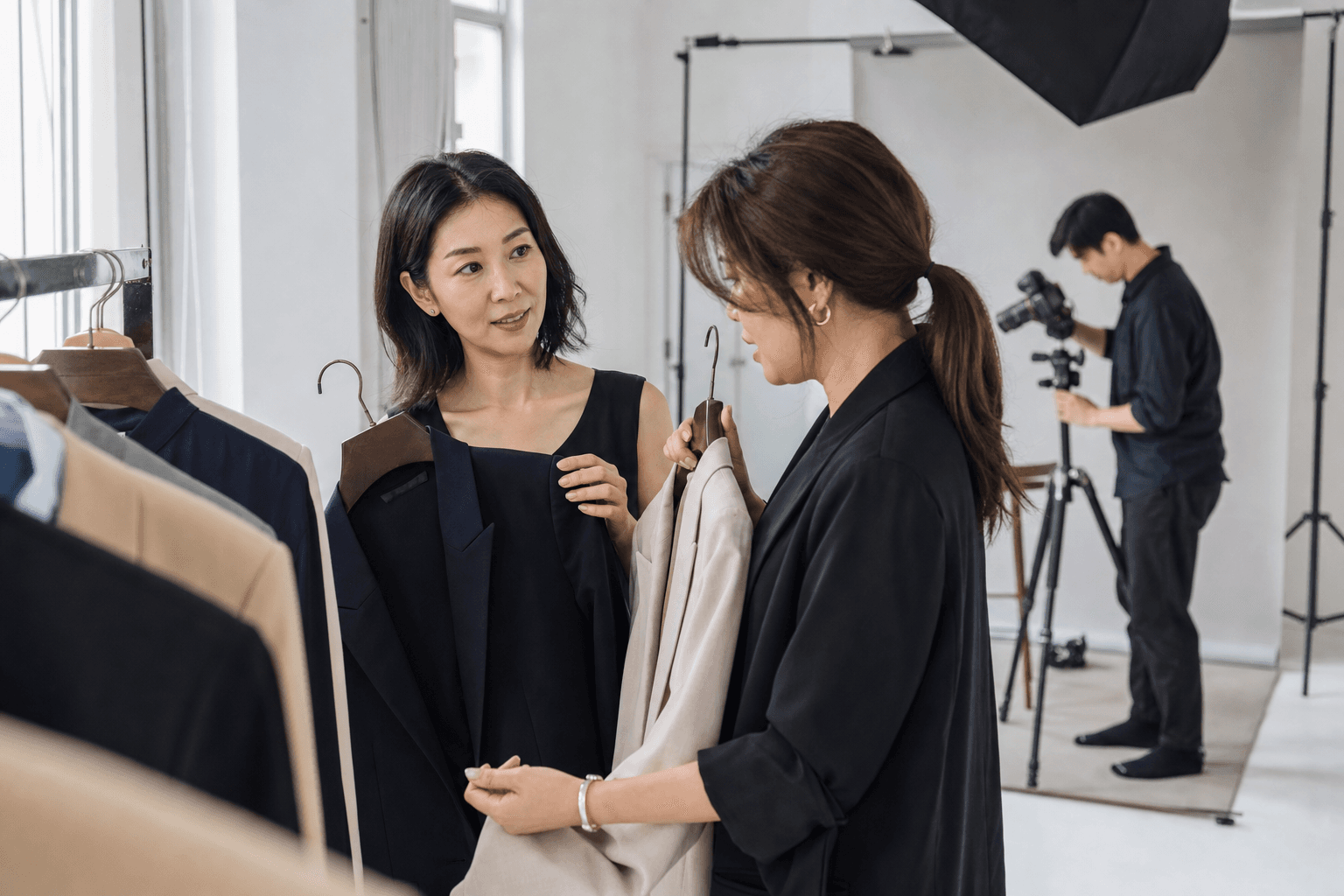
The purpose of clothing is to support your professional identity, not to make everyone look the same. A lawyer, consultant, founder, designer and speaker may all need a different level of formality.
You do not need to buy a new outfit first. Put together clothes that fit well, feel natural and match your real role, then review them against the background, crop and intended use.
Make six decisions before choosing the outfit
Where the portrait will appear
LinkedIn, CV, company-bio and personal-brand placements need different levels of formality and framing.
Prioritise the main use.How people know your role
Leadership, consulting, entrepreneurship and creative roles can communicate in different clothing tones.
Use the real working identity.Formal or more natural
A jacket, knit top, shirt or simple dress can all look professional in the right context.
Professional need not look stiff.Dark or light background
The subject needs separation; dark clothing against a dark background may lose its outline.
Review the background together.Headshot or half body
A close portrait emphasises the neckline and shoulders; a half-body frame shows more tailoring and posture.
Crop affects clothing choices.Whether another tone is needed
One use may need one direction; company and personal-brand uses may call for a planned variation.
Do not assume a fixed number of looks.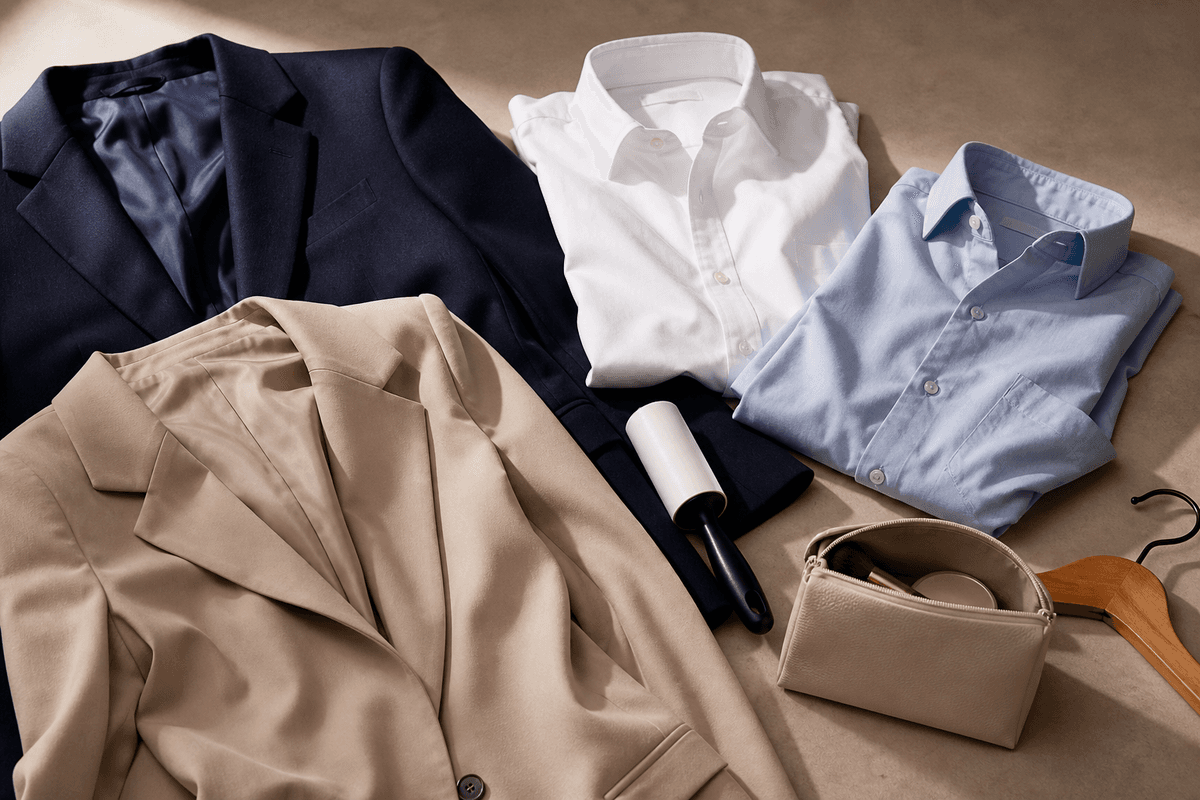
Colour and pattern: let the face lead
These are often easier to use in small profile images and multiple crops, but you are not limited to black, white and grey.
Colour can remain, but review it against the background, complexion and page design so it does not overpower the person.
Small checks, thin stripes and strong contrast can look busy when reduced. A quick phone photograph can reveal this early.
Fit matters more than the label or price
Shoulder line, neckline, sleeve length and creases become visible in a half-body business portrait. An oversized jacket can lose structure; clothing that is too tight can restrict posture. Test how it feels while sitting, turning and relaxing the shoulders—not only standing still in a mirror.

Keep glasses, accessories and grooming recognisable
- Glasses: keep them if they are part of your normal working appearance; reflections and frame position can be checked during the shoot.
- Accessories: choose pieces that do not take attention away from the face or move constantly against the clothing.
- Hair: keep it tidy and close to your normal professional identity rather than trying an unfamiliar style at the last minute.
- Skin and makeup: prepare according to your own routine and intended use; retouching should still preserve texture and recognisable features.
One person and a whole company need different preparation
This guide focuses on an individual's LinkedIn, CV, company-bio and personal-brand portrait. For several colleagues or a whole team, the brief shifts to shared formality, colour range, department order and team-photo needs. Use the HR and admin corporate headshot checklist.
Headshot wardrobe checklist
- Main intended use: _____
- Industry / role: _____
- Preferred tone: formal / natural / creative / to discuss
- Possible tops or jackets: _____
- Preferred and avoided colours: _____
- Glasses in normal working life: yes / no
- Background direction: _____
- Headshot / half body / environmental frame: _____
- Details still to be decided: _____
Share your role, intended use and the impression you want to give. We can look at the clothing you already have and discuss the background, crop and overall direction. You do not need to buy a completely new outfit just for the shoot.
Frequently asked questions
Do I have to wear a suit for a professional headshot?
No. Clothing should fit your industry, role, intended use and normal working identity. Professional does not mean everyone needs the same suit.
Are dark or light colours better?
Both can work. Consider the background, your complexion, brand colours and desired formality together. The subject should remain clearly separated from the background.
Can I wear patterns?
Yes, but small, busy or high-contrast patterns can distract in a compact profile image. Simpler textures are usually easier to use across different crops.
Can I ask for advice if I am unsure what to wear?
Yes. A free photography-direction consultation can begin with your role, intended use and preferred professional impression, then consider how the clothing you already have may work with the background and framing. You do not need to decide an outfit count first.
Can I wear glasses for the portrait?
Yes. If glasses are part of your normal working appearance, keeping them can feel more recognisable. Reflections, frame position and clear eye contact can be checked during the shoot.
How should several colleagues coordinate their clothing?
Agree the formality, colour range and items to avoid rather than requiring identical outfits. Headcount, venue and team-photo needs should be planned under the corporate photography scope.
Check the price first, then use the free pre-shoot direction consultation.
Studio headshots start from HK$1,280, while on-site photography is quoted separately. Free advice covers the pre-shoot direction only and does not include the photography session.
You May Also Like
LinkedIn Photo vs CV Photo: Can You Use the Same Headshot?
Updating LinkedIn, preparing a CV or refreshing a company bio? Start with your profession, audience and intended impression, then see whether one portrait is enough.

Before a Corporate Headshot Day: 7 Checks for HR and Admin
A practical HR and admin checklist covering intended use, headcount, venue, clothing, shooting order, retouching and delivery before a corporate staff-photo project.

How to Use Company Team Photos for Websites, Recruitment and Employer Branding
Plan staff headshots, leadership portraits, formal group photographs and natural team images around the company website, recruitment, proposals and external profiles.