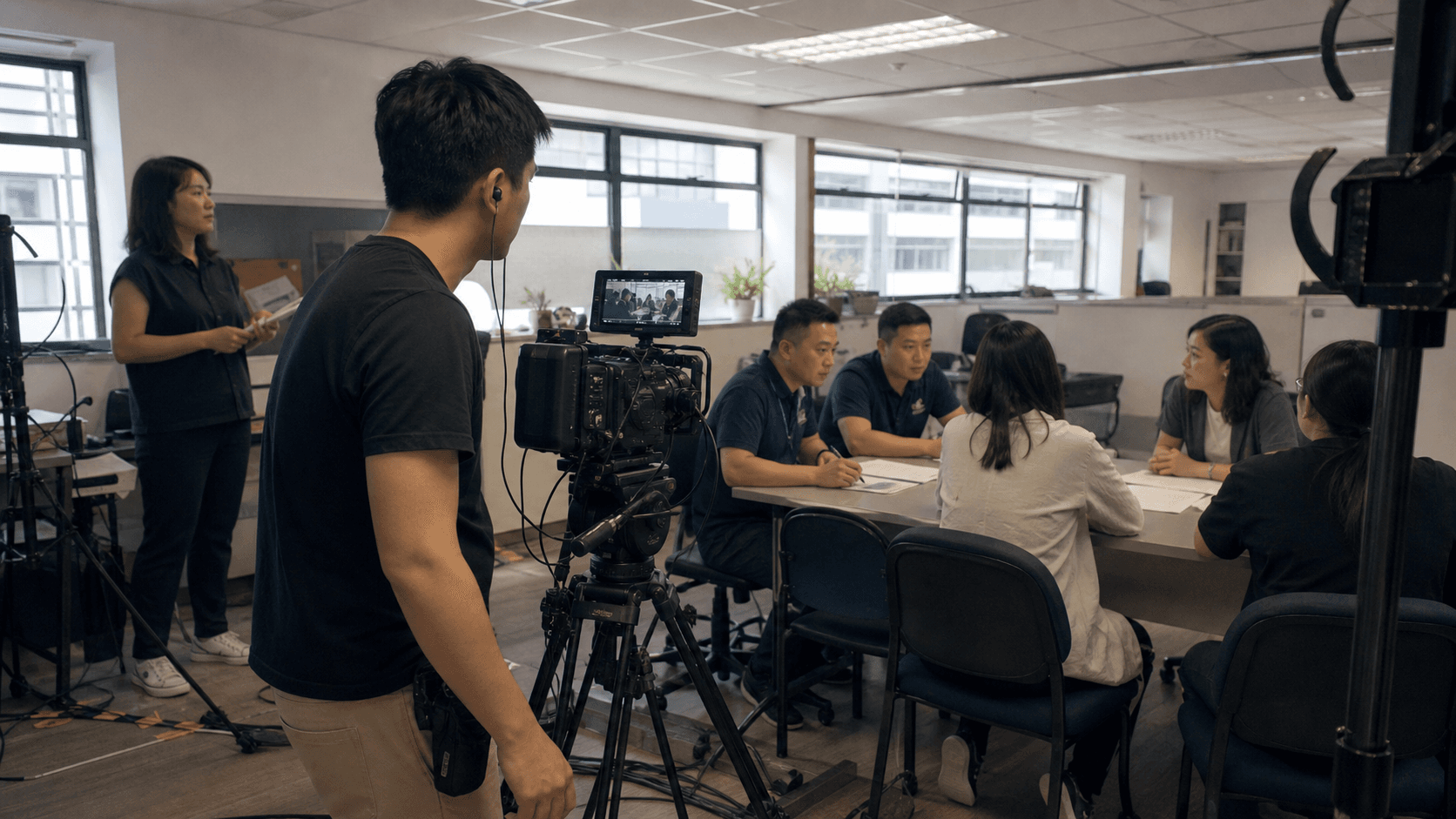
Corporate and institutional video
Explain a business, organisation, programme, service or issue around what a defined audience needs to understand.
First decide: which work, programme or viewpoint does the audience most need to understand?VIDEO PRODUCTION · HONG KONG
For Hong Kong businesses, brands, institutions, non-profits and communications teams
Clarify the communication task first, then organise the message, people and scenes into a focused film direction.
You do not need a finished script or equipment list to begin. Share who the film is for, what the audience should understand and where it may be used, then start shaping the content and production direction.
THREE DIRECTIONS
Explain a business, organisation, programme, service or issue around what a defined audience needs to understand.
First decide: which work, programme or viewpoint does the audience most need to understand?
Begin with a brand or commercial message and shape a direction for its campaign, event or publishing context.
First decide: what is the core message, and in which setting will the audience encounter it?
Organise contributors' experience, viewpoints and location material into a coherent story instead of a list of claims.
First decide: who should tell the story, and which experience supports its central idea?BUYER DECISIONS
Define the primary audience, what they already know and what they still need to understand.
Reduce the available information to one central idea, then identify the people, examples or scenes that support it.
A website, presentation, event, campaign or social channel gives the audience a different viewing context.
Identify the main decision owner and review path early so the content keeps a consistent focus.
WHEN VIDEO HELPS
Bring background, work, services or direction into one clear view for a defined audience.
Discuss a brand, campaign, event or commercial film around one focused message.
Break complex material into points, contributors and scenes an audience can follow.
Connect first-hand viewpoints, context and specialist knowledge into an organisation or brand story.
FIRST DISCUSSION
What the audience should understand, or which communication task the film should address.
Customers, partners, staff, members, the public or another defined group.
The point that matters most and the existing information that best supports it.
Website, presentation, event, campaign or another known viewing context.
Possible contributors, working environments, locations and material already available.
The main decision owner, participating teams and who will consolidate feedback.
PRODUCTION FRAMEWORK

Clarify the audience, message, intended use, available material and communication task.

Organise the story direction, interviews, scenes, key content and decisions that need client confirmation.

Coordinate contributors and locations around the agreed direction and capture the content the project requires.

Shape the film structure and post-production content, then consolidate comments through the agreed review path.
PRODUCTION EXPERIENCE
Members of the production team have experience across TVCs, government promotional films and live production. That background helps the team understand different audiences, messages and filming contexts; every project is still planned around its actual objective.
TEAM EXPERIENCE

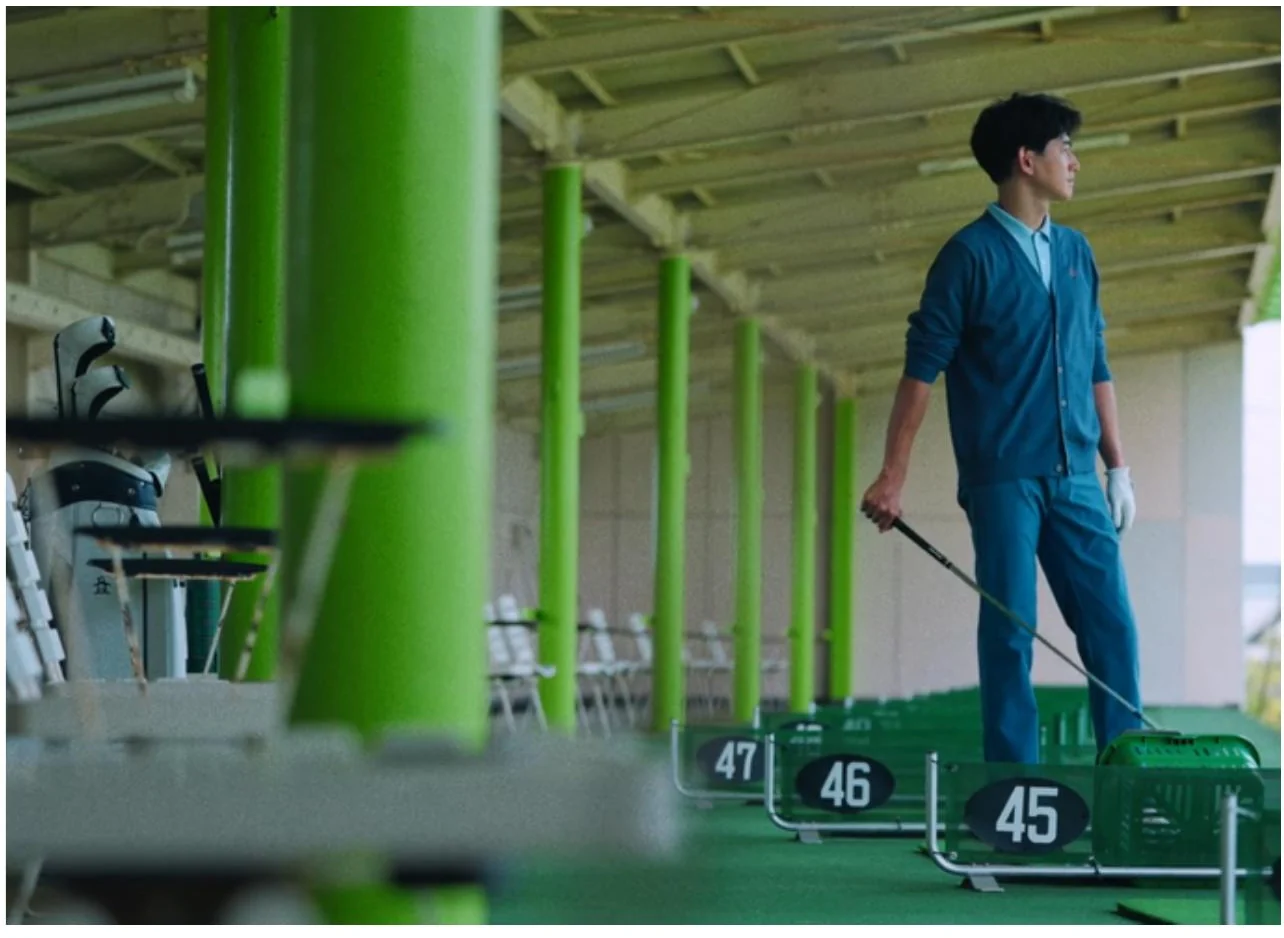

Past projects involving production-team members; roles varied, with no current partnership or endorsement implied.
FAQ
Yes. Start with the purpose, primary audience and message. The available information can be used to shape a direction, while open decisions are identified during the first discussion.
Corporate and institutional video helps an audience understand an organisation, programme or service. Brand, commercial and TVC work centres on a defined message and publishing context. An interview-led story builds a narrative through people's experience and viewpoints. The exact direction follows the project objective.
Share the film objective, primary audience, core message, intended use, possible contributors and locations, and the person responsible for consolidating review comments. Partial information is enough to begin.
No. Interviews are useful when the message is best supported by a person's experience, viewpoint or specialist knowledge. Other content structures can be discussed when they serve the objective more clearly.
The film direction, contributors and locations, available material, filming and post-production needs, and review path all shape the proposal. Begin with the known information, then discuss the arrangement against the confirmed scope.
START THE CONVERSATION
Either is enough to begin. Share who the film is for, what it should communicate and where it may be used, then organise the next step.