Before the First School Video Meeting: 7 Briefing Details to Prepare
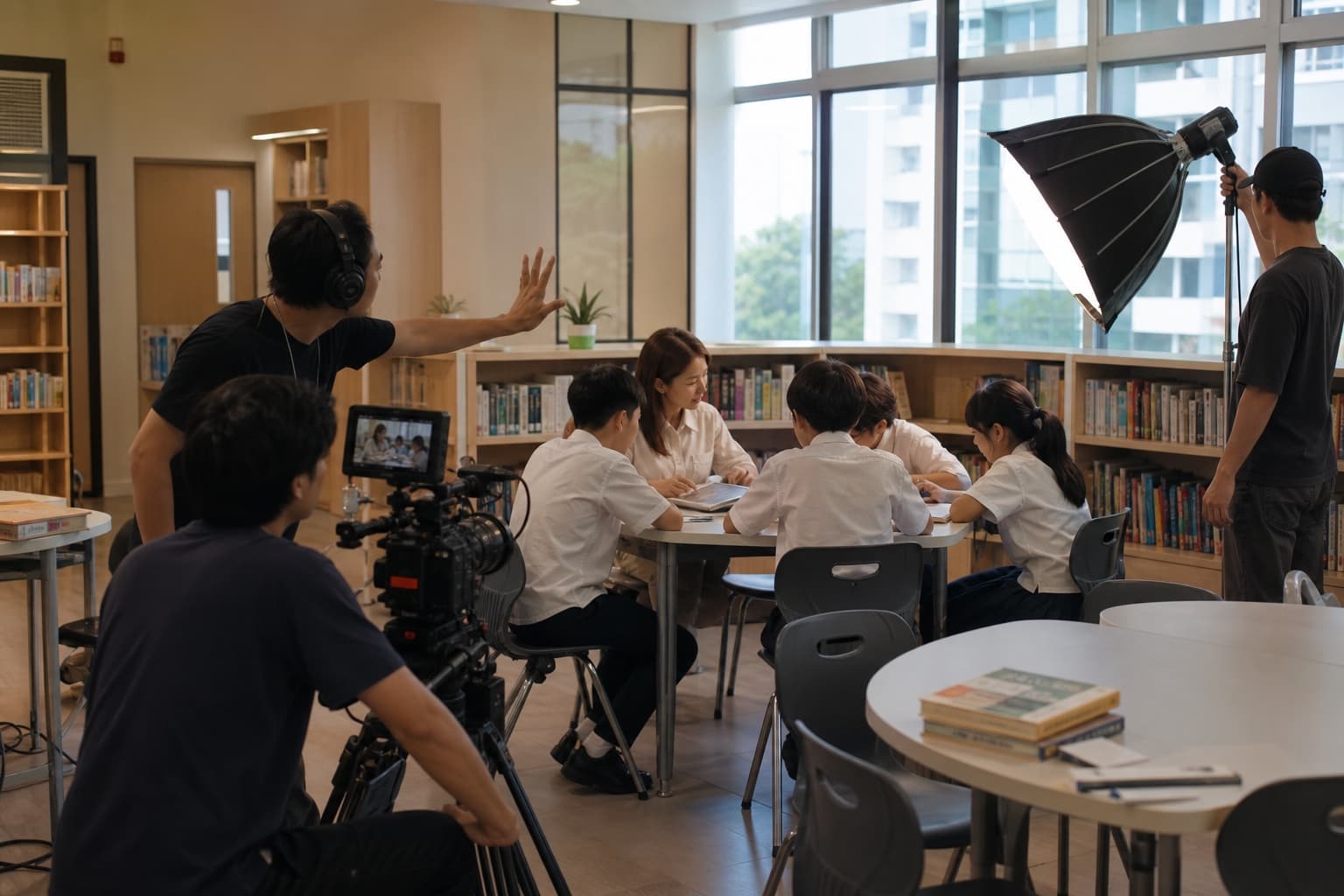
Many school film conversations begin with: “We would like a video to introduce the school.” That is a useful starting point. The meeting becomes difficult only when programmes, activities, interviews, history and publishing channels are all discussed before the communication task is clear.
Separating what is known, what needs confirmation and what needs approval gives leadership, admissions, communications, administration and anniversary committees the same starting point.
Start with one sentence, not a shot list
“Introduce the school” can have different purposes. An admissions film may answer prospective families’ questions. An anniversary film may connect history, people and milestones.
What overall impression should the audience leave with?
What do prospective families or students most need to understand?
Which history, people or milestones are most worth connecting?
Seven details to organise before the first meeting
The brief does not need to be complete. Marking an item “to be confirmed” is more useful than treating an early idea as final.
Primary audience
Prospective families, students, alumni, current parents, the community or the whole school? Set priorities instead of writing only “everyone”.
If pending: list the first and second priorities.Communication objective
What should the audience understand, feel or pay attention to next? One or two working sentences are enough.
If pending: record the closest current direction.Core message
Which educational value, programme strength, people story or milestone is most worth remembering? Keep no more than three priorities.
If pending: mark which point needs leadership approval.Possible contributors
Consider principals, teachers, students, parents, alumni or other people because they support the message—not simply to make the list longer.
If pending: write “to invite” rather than assuming availability.Locations and source material
Classrooms, campus spaces, activities, archive photos, school-history material, existing footage or brand guidance; also note who owns each source.
If pending: mark whether internal approval is required.Intended channels
School website, information session, open day, anniversary event or social media? Separate “main use” from “possible use”.
If pending: versions and outputs can follow the agreed direction.Internal review path
Who gathers comments, who needs to stay informed and who gives final confirmation? Several colleagues may contribute, but the school should consolidate one response.
Use two questions to filter people and scenes
More contributors and more locations do not automatically create a stronger story. Each item should help the audience understand the core message.
- Which message is this person best placed to explain?
- What can this scene help the audience see, rather than simply adding another image?
A teacher may explain a learning approach. Students using a learning space can make an abstract educational value visible. If neither question has a clear answer yet, keep the item as an option rather than forcing a decision.
Turn “we want to introduce the school” into one page
The example below is fictional and demonstrates how to organise a brief. It is not a client case or completed project.
- Working use
- A campus introduction film for an upcoming school information event.
- Primary audience
- Prospective families and students learning about the school.
- Viewers should understand
- How learning support, student participation and campus life connect in the everyday school experience.
- Possible contributors
- Principal, teachers and students; an alumni interview remains to be confirmed.
- Locations and material
- School entrance, classrooms, learning activities, school-history text and archive photos, with an owner recorded for each source.
- Main use
- School website and information event; other channels to be confirmed.
Several people may review, but the response path should be clear
A school film may involve leadership, admissions, communications, administration or an anniversary committee. Multiple perspectives are normal. The important early decision is who consolidates them and who gives final confirmation.
Copy this one-page brief
- Working project name / intended use:
- Primary audience:
- What viewers should understand, feel or pay attention to next:
- Up to three core messages:
- Possible interviewees / on-screen contributors:
- Available campus scenes and source material:
- Main and possible channels:
- Feedback coordinator and final reviewer:
- Items still to be confirmed:
Frequently asked questions
Does the school need a finished script before enquiring?
No. The audience, objective, core message, possible contributors, locations or existing material and review path are enough to give the first discussion a clear direction.
Must admissions and anniversary films be completely separate?
They often have different story priorities, but the audience and communication objective should decide the direction—not the film label alone. Exact project scope follows the agreed direction.
Who should join the first meeting?
Begin with the people who understand the objective best, such as admissions, communications, administration, an anniversary committee or leadership. One colleague should be able to consolidate the message and open questions.
Must website, event and social versions be decided immediately?
Not necessarily. Clarify the main and possible channels first so the discussion knows where audiences may meet the film. Exact versions and outputs should follow the confirmed project scope.
How can the school keep feedback from becoming scattered?
Name a feedback coordinator and final reviewer in the brief, and keep unconfirmed items in one place. Colleagues can contribute while the school returns one consolidated response.
Have a first school-video brief?
A finished script is not required. Start with the audience and what the school needs the film to communicate.
You May Also Like

Before a School Event Photo or Video Quote: 6 Details to Prepare
No technical specification is required. Organise six practical details so providers and school reviewers can discuss the same event scope.

What Should a School Confirm Before Student ID Photo Day?
A practical checklist for school use, photo specifications, student rosters, sample approval and exceptions before on-site student ID photography.

How Teachers Can Help Students Look Natural in School Photos
A nervous student is not necessarily uncooperative. Use a simple preview, clear teacher–photographer roles and a shared sample direction.