Before a School Event Photo or Video Quote: 6 Details to Prepare
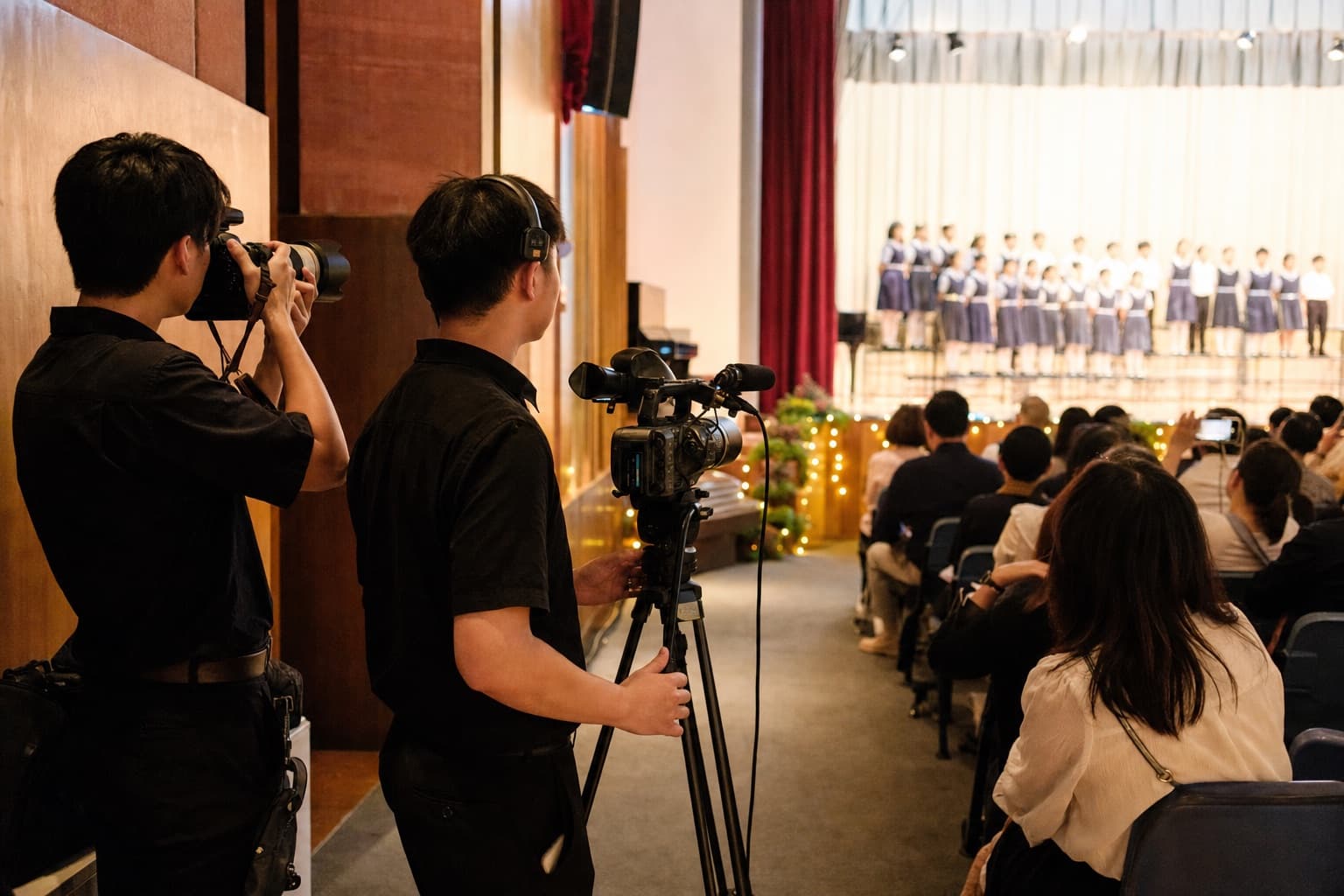
Many school event enquiries begin with “we need photos and video”.
The useful next details are not usually about equipment. They are what the school needs to preserve, how the event will run and who can bring the school’s response together.
The six items below do not need to be final. Record what is known and label the rest “to be confirmed” rather than forcing an unfinished decision into the brief.
1. What is the event, and when will it take place?
Start with the event name or type: a graduation, award ceremony, performance, anniversary, sports day or open day. Add the proposed date and any known time window.
If the date is still being coordinated, write a possible month or date range and label it clearly. The useful part is giving the enquiry an event context without treating provisional information as final.
2. How will the programme run, and which sections cannot be missed?
A simple running order is enough. List an opening, speeches, awards, performances, guest moments, group photographs or any other section the school considers important.
Then separate what needs a continuous record from the people or moments that need photographic coverage. This does not prescribe a filming method. It helps everyone understand what matters most to the school.
| What the school can provide | Example wording | How to label an open item |
|---|---|---|
| Running order | Opening, guest speech, student performances, awards, closing | “Draft programme; updated version to follow” |
| Sections to retain in full | Speeches and each performance | “Priority order to be confirmed by the event coordinator” |
| People or moments to photograph | Guest award presentation, students on stage, staff-and-guest moments | “Guest list to be confirmed” |
3. What are the practical venue conditions?
Share whether the event is indoors or outdoors, the stage and audience layout, usable positions, and any known audio, access or movement constraints.
A full technical plan is not required. A venue photo, an existing floor plan or a short written note is enough for the first conversation.
The purpose is to start from the real setting rather than assume every hall or sports ground works the same way.
4. What does the school most need to retain?
“Everything” is understandable, but it may not help the school compare options. Separate non-negotiable programme content from atmosphere, interaction or venue moments the school would also like to keep.
A graduation may need its certificate presentation and speeches preserved. A performance may place more weight on each programme segment. Marking the priority makes later discussion about photography, a full record or a shorter edit more precise.
5. How will the completed material be used?
State the intended use in the first brief: internal archive, later viewing by colleagues who could not attend, sharing key moments with families or the school community, or retaining a school record.
Use does not mean deciding every output detail immediately. It explains why the school needs the record.
Event photography, full recording and a highlight film can be discussed separately or together for the same event; the actual scope still follows the confirmed information.
If viewers need to watch while the event is taking place, mark that as a separate livestream need and review the school event livestream service.
6. Who will consolidate the school’s response, and what is still open?
One event can involve an event coordinator, venue colleague, communications team, school office and management. The first enquiry does not need every name. It only needs to identify who can bring together programme, venue and approval feedback.
List open items separately: date, programme version, usable positions, priority content or internal approval. This prevents an assumption becoming a commitment and shows the next decision clearly.
Copyable school event brief
School / contact role:
Event name / type:
Proposed date and time window:
Venue: □ Indoor  □ Outdoor; known stage / audience / audio / access constraints:
Running order:
Sections that need a continuous record:
Priority people / moments for photography:
Initial direction: □ Event photography  □ Full recording  □ Highlight film  □ Need help comparing uses
For each direction: □ Required  □ Optional  □ To compare
Primary intended use after the event:
School contact who can confirm venue, audio and usable positions:
School contact who will consolidate approval:
Open items / quotation items to list separately / other constraints:
This brief is not a contract and does not require the school to select every service first. It simply gives each response the same known starting point.
Example: separate what is known from what is open
This fictional example only demonstrates the format. It does not describe a real school, event, service scope or quotation.
Event name / type: Annual student performance (provisional)
Date and time window: A weekday in November; date to be confirmed
Venue: School hall with stage and audience seating; usable positions to be confirmed with venue staff
Running order: Opening, guest speech, four student performances, awards, closing
Sections that need a continuous record: Speech and all performances
Priority photography: Students on stage, awards, staff-and-guest interaction
Initial direction: Photography and full recording; highlight-film need to be confirmed internally
Primary intended use: School record and later sharing of key moments with the relevant community
Approval contact: Event coordinator consolidates feedback from school teams
Open items: Final programme, guest list, usable venue positions
When the school receives an update, it can revise the relevant line without mixing open items into final instructions.
Frequently asked questions
Can we enquire before all six items are final?
Yes. Share the information that is known and label outstanding items “to be confirmed”. This is clearer than presenting a guess as an approved event detail.
Must we choose event photography, full recording or a highlight film first?
No. Start with the content the school needs to retain and the intended use, then compare the directions on the event photography and recording service page. They can be discussed separately or together rather than as a fixed bundle.
Can one brief include both photography and recording?
Yes. List the programme sections that need a continuous record separately from the people and moments that need photography. This makes both needs easier to understand within one event.
Can the school ask for a general price first?
The event, venue, programme, priority content and intended use all shape the actual proposal. A brief with the known information is more useful for comparison than a general figure detached from the event.
This article does not publish prices; the scope is discussed once the known details are confirmed.
Have a first event brief?
A complete technical specification is not required. Start with the event, date and content the school needs to preserve.
You May Also Like
Before the First School Video Meeting: 7 Briefing Details to Prepare
A finished script is not required. Organise the audience, message, contributors, locations, intended use and internal review path before the first production meeting.
What Should a School Confirm Before Student ID Photo Day?
A practical checklist for school use, photo specifications, student rosters, sample approval and exceptions before on-site student ID photography.
How Teachers Can Help Students Look Natural in School Photos
A nervous student is not necessarily uncooperative. Use a simple preview, clear teacher–photographer roles and a shared sample direction.