What Schools Should Review Before Approving a Photography Sample Direction
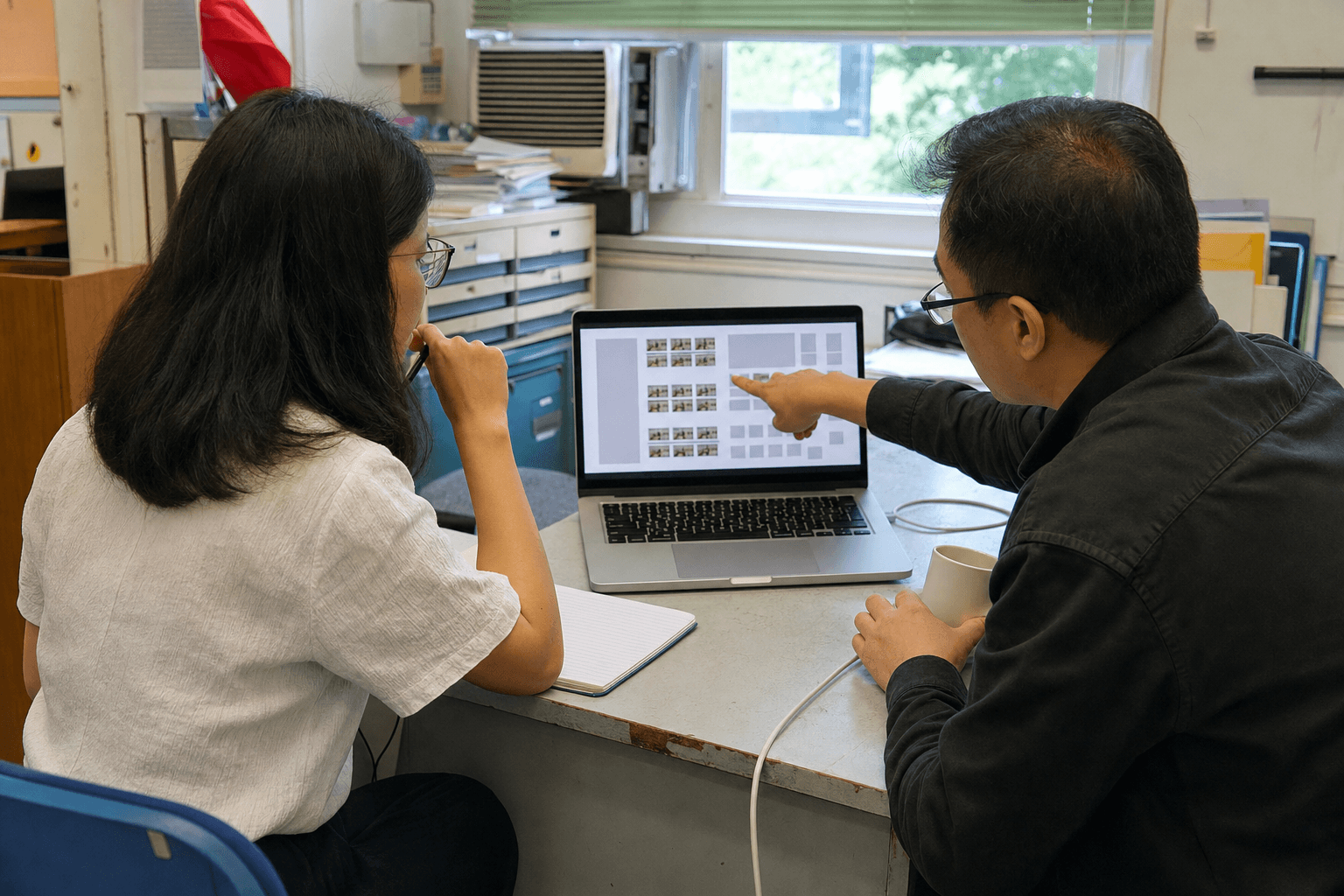
“Review the sample” sounds simple, but different colleagues may focus on different details.
One may want a natural look, another may prefer a formal arrangement, while someone else is looking only at the background.
A useful review does not need to lock every detail. It should resolve the decisions that will affect the wider set of photographs.
A sample direction is not a copy of every final photograph
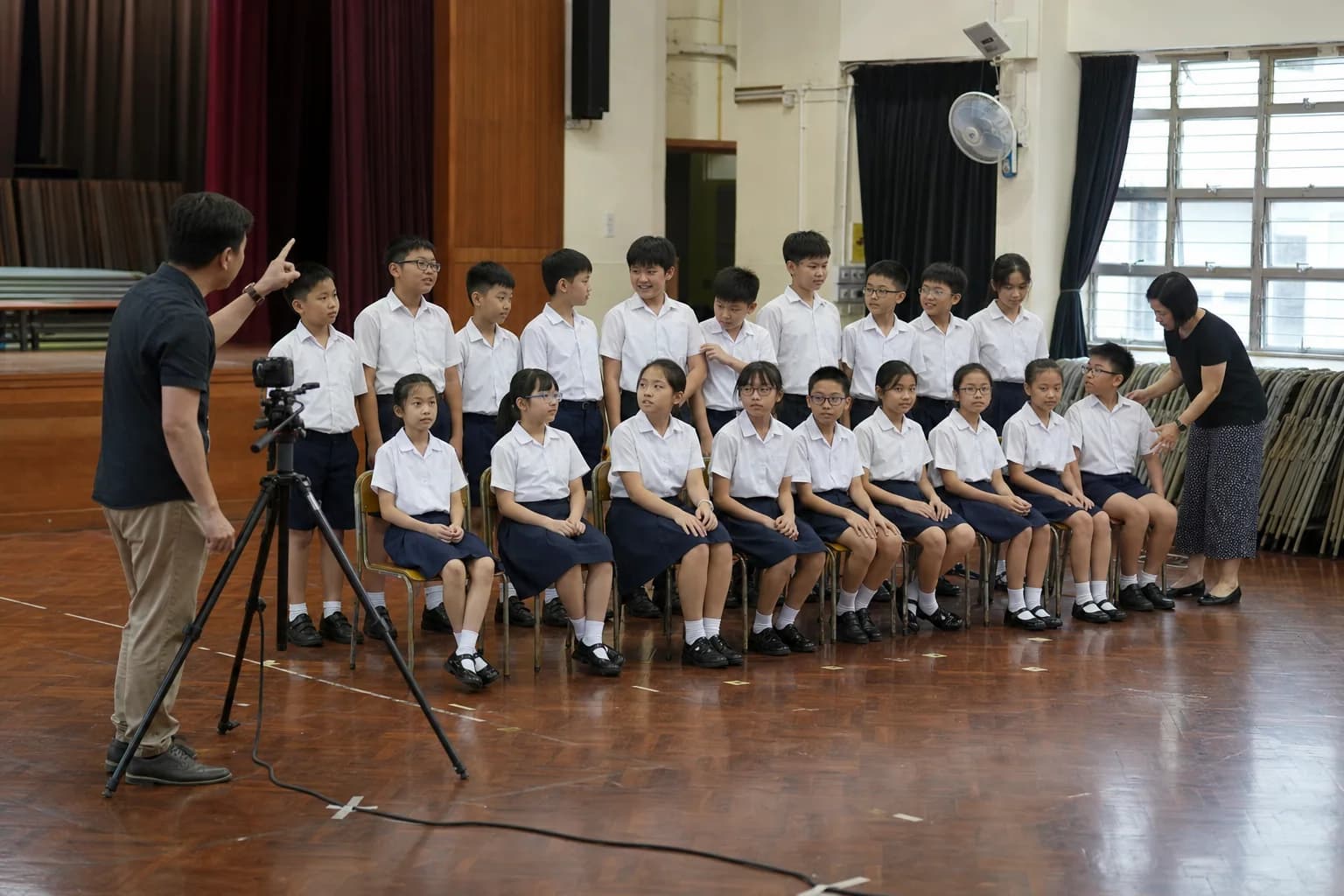
The sample establishes visual language: who belongs in the group, how broad the framing should feel, whether the arrangement is natural or more formal, and how students should be presented.
Students differ in height, expression and how they settle on the day. The sample creates consistency without removing those reasonable differences.
Review these four points first
| Review point | School decision | Clear response |
|---|---|---|
| Photo group | Does the sample represent the correct people or group? | Reply using the confirmed class or group definition |
| Broad framing | Should the view feel closer, wider or include more of the setting? | State the main use and preference, not only “make it look better” |
| Arrangement | Natural, more formal or somewhere between? | Choose one main direction rather than opposing effects |
| Student presentation | Natural, alert or more formal? | Use two or three assessable words |
Nominate one school approver to consolidate comments
Several colleagues can review the sample, but one teacher or administrator should return the combined response.
This person does not need to decide everything alone; the role is to turn internal comments into one clear version.
If views conflict, return to the purpose of the photograph.
A class photo places more weight on the whole arrangement, while an individual portrait places more weight on one student’s presentation.

Internal discussion can involve several people, while one consolidated reply prevents multiple standards on photo day.
Write feedback as an actionable direction
“More natural” or “make it look better” can mean different things to different people. Useful feedback states what should stay and what should change.
- Too broad: Make the students look more natural.
- Clearer: Keep the current arrangement; aim for natural, alert expressions without asking every student to copy the same smile.
- Too broad: The composition does not look right.
- Clearer: The group is correct; use a slightly wider view to retain more of the school setting.
Once agreed, keep the direction in a short written note so later school participants can follow the same standard.
Details not to over-review at this stage
The sample stage is most useful for decisions that repeat across the set.
A momentary micro-expression, small differences between students or a finish that belongs to a later stage should not be mistaken for the overall direction.
This does not reduce quality control. It places feedback where it can influence the whole photography run.
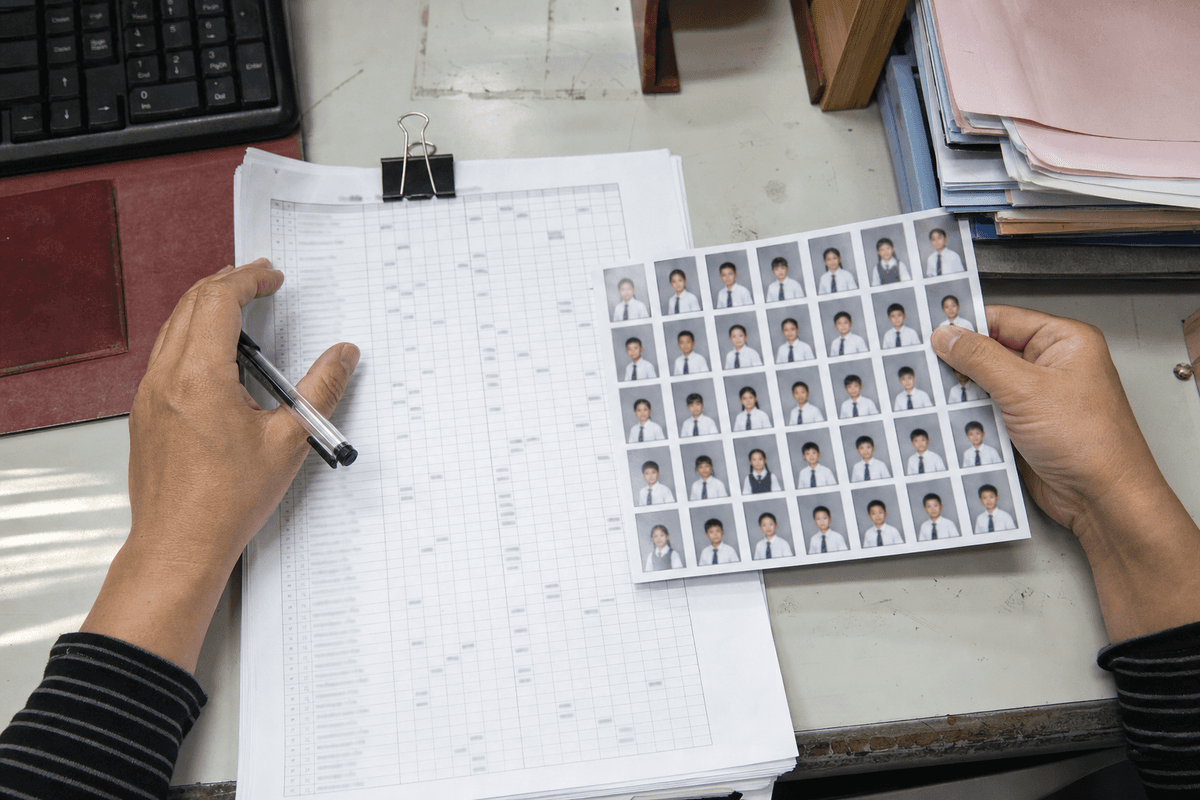
Use the sample and checking sheet to confirm the group and direction without displaying readable student data.
Sample-direction checklist
- The photo group matches the school’s request;
- The broad framing suits the main purpose;
- The arrangement direction is natural, formal or clearly between the two;
- Student presentation is described with assessable words;
- One school representative has consolidated internal comments;
- The response records both what to keep and what to adjust.
Frequently asked questions
Does a sample direction equal every final photograph?
No. It confirms the overall direction while allowing reasonable differences between students and groups.
Must the school approve every photograph before the main run?
The useful task is to confirm the decisions that affect the wider set—framing, arrangement and student presentation—rather than turning the sample into frame-by-frame approval.
Can the school request a direction adjustment before the main run?
Yes. THIS FILM can confirm the sample direction with the school before the main photography run.
Planning school photography?
Tell us which school photo types you are considering. A short message is enough to begin the discussion.
Enquire on WhatsAppYou May Also Like
What Should a School Confirm Before Student ID Photo Day?
A practical checklist for school use, photo specifications, student rosters, sample approval and exceptions before on-site student ID photography.
How Teachers Can Help Students Look Natural in School Photos
A nervous student is not necessarily uncooperative. Use a simple preview, clear teacher–photographer roles and a shared sample direction.
Five Things Schools Should Confirm Before Class Photo Day
A practical handover checklist covering photo groups, student rosters, venue flow, sample direction, delivery and absences.