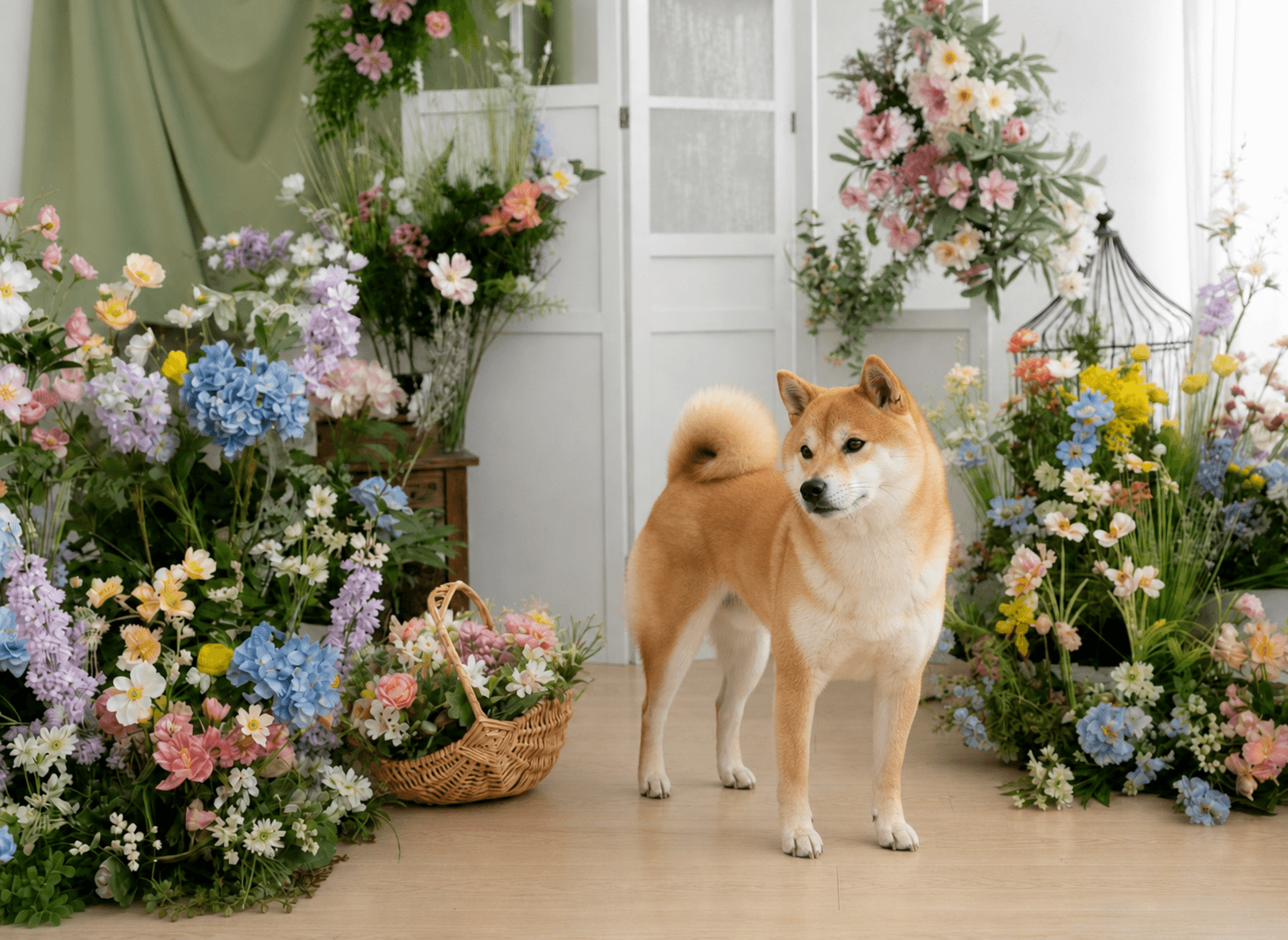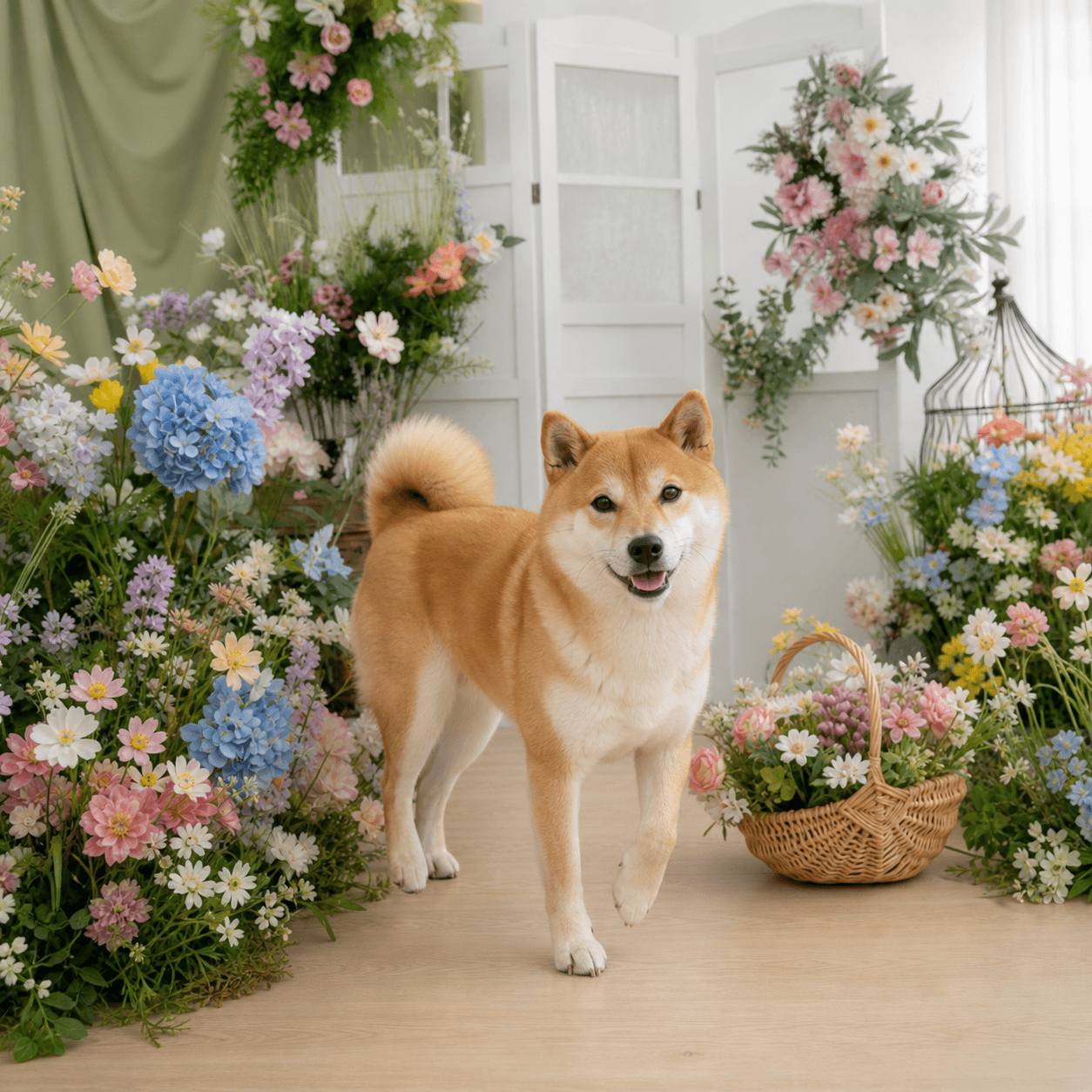
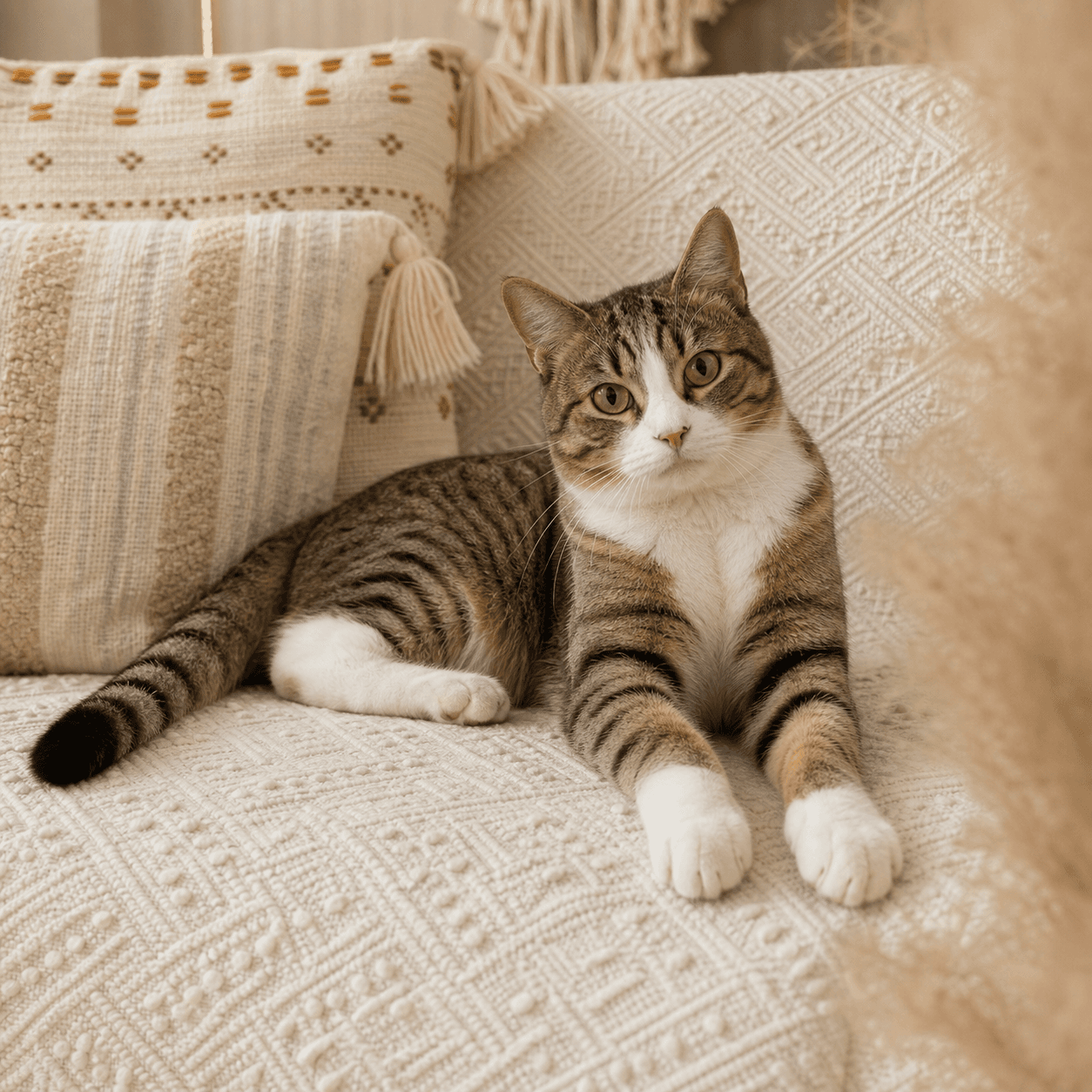
Owners often begin with a warning: “My dog will not sit still,” “my cat looks away,” or “new places make my pet nervous.” None of these automatically means photography is impossible. A pet session is not an identification photograph. Not every image needs direct eye contact; natural looks towards the lens, listening, side glances, exploration, returning to the owner and short moments of rest can all belong in the set.
Looking away is not a failed photograph
An honest pet story does not require direct eye contact in every frame. Coverage can move between an environmental view, full body, expression close-up and small details. Some frames may show the pet responding to its owner or a sound. The goal is a varied, coherent set rather than repeated versions of one front-facing pose.
Separate three common situations
1. Easily distracted
Curiosity about a new smell or sound does not automatically make the studio unsuitable. A familiar toy, the pet’s usual cue and short pauses may help attention return naturally.
2. Slow to observe and settle
Some pets stay close to their owner and watch the room first. Adjustment needs to be counted as part of the appointment rather than assuming every minute will be continuous shooting.
3. Strong stress in unfamiliar spaces
If a pet has previously shown sustained trembling, hiding, intense struggling or a strong response to people or animals, say so before booking. Studio suitability must be considered individually. A photography package can never replace the owner’s judgement of the pet’s condition.
Thirty or fifty minutes?
Pet Portrait is approximately 30 minutes and includes one pet-and-owner set plus one themed pet-only set. It is better suited to a pet that generally engages with a new room reasonably quickly. Pet Story is approximately 50 minutes and adds a second themed pet-only set, offering more room for observation, pauses and varied coverage. More time does not guarantee an expression; it simply reduces the need to rush every moment.
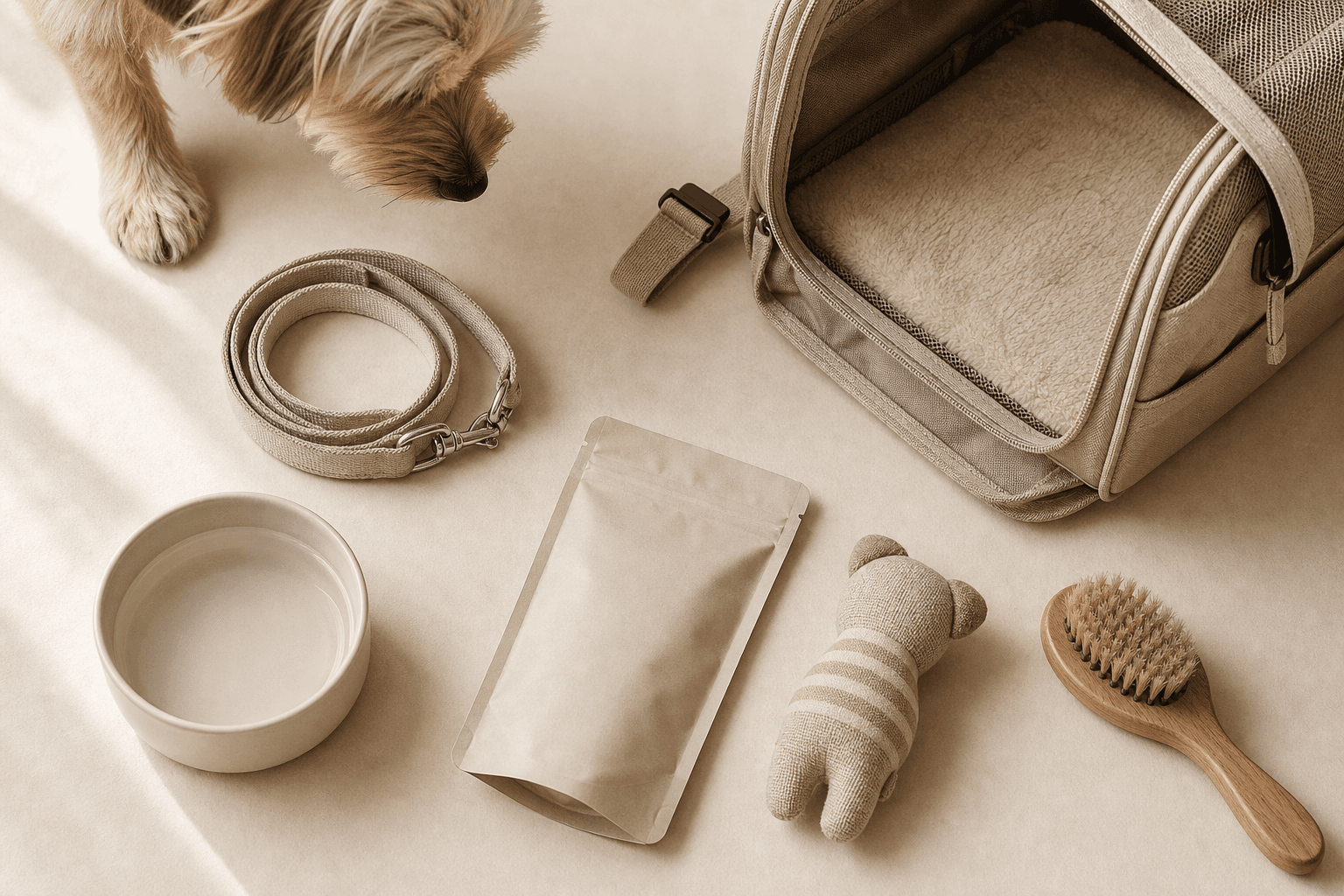
Use the pet session preparation checklist to organise familiar items and personality notes before you enquire.
How can an owner help in the studio?
- Use the pet’s normal name and speaking pace rather than suddenly raising your voice.
- Let one main person attract attention when needed instead of several people calling at once.
- Bring one genuinely familiar toy or a small portion of the pet’s usual treats.
- Allow a brief side glance, sniff or return to the owner.
- Pay attention to natural breathing, movement and response rather than focusing only on the camera.
What keeps the images realistic?
THIS FILM does not use one fixed pose list for every pet. Standing, sitting, lying or short movement can be selected according to the individual, while camera height, direction and wide/medium/close framing change through the session. A natural look towards the lens is only one possible image; the wider set does not need to repeat it.
When should you ask before booking?
- The pet has a strong response to unfamiliar people or spaces.
- Two or more pets may not settle comfortably beside one another.
- A large dog is being considered for a compact themed set.
- Several owners want to join the frame.
- The studio should know about any everyday care or movement limitation.
Sharing honest information does not disqualify a pet. It helps avoid the wrong time, set or package.